
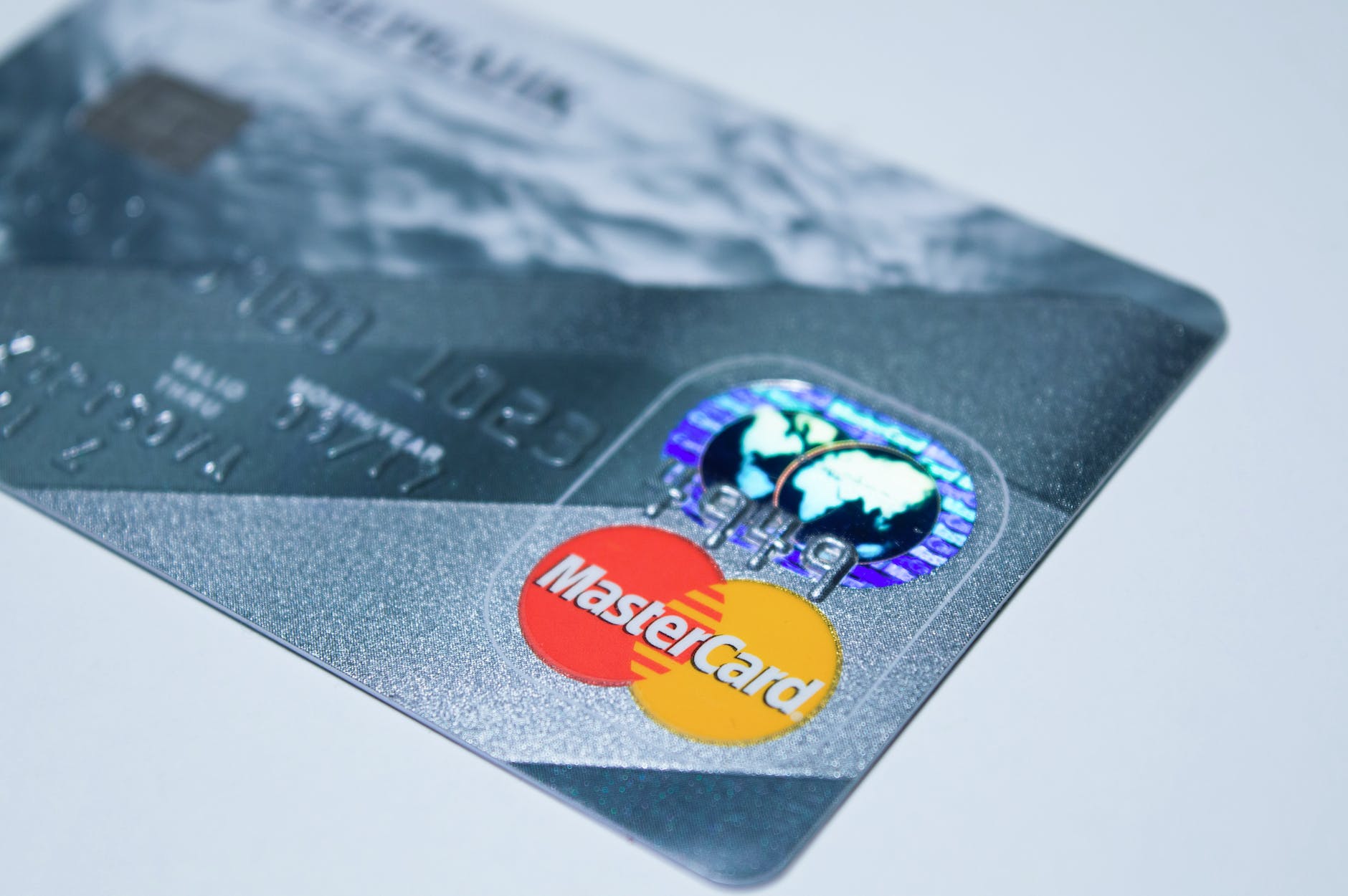
A debit card is a payment card that allows users to access funds in a checking or savings account in order to make purchases or withdraw cash. Debit cards are linked directly to a bank account, and when a purchase is made, the funds are transferred from the account to the merchant. The money is deducted from the account balance in real-time.
When a debit card is used to make a purchase, the cardholder must enter a personal identification number (PIN) to verify their identity. Some debit cards also have a magnetic strip or a chip that contains the cardholder’s account information, which is read by a card reader at the point of sale.
When a debit card is used for an online purchase, the cardholder must provide the card number, expiration date, and security code.
Debit cards are an alternative to cash and check payments. They are also an alternative to credit cards, as debit card transactions are deducted from the account balance in real-time, and the cardholder can only spend what they have available in their account. This can help to prevent overspending and build a good credit score.
Debit cards are commonly used for everyday purchases such as groceries, gas, and online purchases and also for withdrawing cash from an ATM
How does the process works
When a debit card is used to make a purchase at a physical point of sale, the card is inserted into a card reader, or the card’s magnetic strip or chip is read by the reader. The card reader then sends a request for authorization to the card issuer through the card network (such as Visa, Mastercard, etc.) The card issuer, in turn, verifies the cardholder’s account information and available balance, and sends an approval or decline message back to the point of sale. Once the transaction is approved, the funds are transferred from the cardholder’s account to the merchant’s account.
For online transactions, the cardholder provides the card details, including the card number, expiration date, and security code, to the merchant. The merchant then sends a request for authorization to the card issuer through the card network. The card issuer verifies the cardholder’s account information and available balance, and sends an approval or decline message back to the merchant. Once the transaction is approved, the funds are transferred from the cardholder’s account to the merchant’s account.
In summary, the debit card works by electronically linking a bank account to the card, and upon a purchase or withdraw, the funds are transferred from the account to the merchant or ATM, respectively, in real-time. Additionally, the transactions are also authenticated by a PIN for added security.
A debit card is a payment card that allows users to access funds in a checking or savings account in order to make purchases or withdraw cash.
Describe the intermediaries involved in debit card processing ?
Debit card processing involves several intermediaries, including:
- Issuing Bank: The financial institution that issues the debit card to the customer.
- Payment Processor: A company that handles the electronic transaction between the customer, the merchant, and the acquiring bank.
- Acquiring Bank: The financial institution that provides the merchant with the ability to accept debit card payments
- Card Associations (e.g. Visa, Mastercard): Organizations that oversee the debit card network, set standards, and facilitate transactions between issuing and acquiring banks
- Switch: A network that routes the transaction information to the appropriate card association and then to the issuing bank for authorization.
- Interchange: The fee paid by the acquiring bank to the issuing bank for each transaction processed.
- Point of Sale (POS) System: The device or software used by merchants to process debit card transactions.
These intermediaries work together to process and complete a debit card transaction, from the moment the customer swipes or dips their card at the point-of-sale terminal to the final settlement of funds between the issuing and acquiring banks.
What are the salient features of Debit Card?
A debit card is a payment card that deducts money directly from a consumer’s checking account to pay for a purchase. Some of the main features of a debit card are:
- Direct access to funds: Debit cards provide instant access to the funds in your checking account.
- No credit check: You don’t need to go through a credit check to obtain a debit card, unlike a credit card.
- PIN-based transactions: Debit cards are typically linked to a personal identification number (PIN), which is used to secure transactions.
- ATM access: Debit cards can be used to withdraw cash at ATMs, deposit money, and check account balances.
- Acceptance: Debit cards are widely accepted by merchants for purchases and online transactions.
- Overdraft protection: Some debit cards come with overdraft protection, which helps prevent accidental overdrafts of your checking account.
- Fees: Some banks may charge fees for using debit cards, such as annual fees, foreign transaction fees, or overdraft fees.
- Fraud protection: Debit cards come with fraud protection, which helps protect you from unauthorized transactions.
 ProductSME