Discover 5 key factors to deliver a fit for purpose product…on time

I have had the opportunity of being part of scores of programs till date. However a recently completed program to develop a product for operation users takes the cake for being one of the best executed. The product was delivered in 11 months starting from conceptualization to production launch. It won exceptional reviews from sponsors and other stakeholders for the efficiency with which it was delivered. It was adopted by thousands of users in record time supporting a high volume of throughput. I have endeavored to summarize the key factors which made this program a success.

To get the basic out of the way, we followed the agile methodology for product delivery. Let me say it is a hybrid approach before the Agile evangelists vent out their ire on me. We leveraged the gems of Agile methodology like the delivery in shorter sprints, sprint reviews, backlog refinement etc. But we also had a dedicated team of quality analysts who were responsible for vetting the product before the release. And had milestones to achieve and deadlines to meet, which quite frankly, can never be wished away. And there were other processes that will be highlighted here which does not fit the Agile descriptions. Agile or not, the objective was to deliver and deliver well in a transparent manner.

The 5 factors which proved to be critical in the delivery were:

1) Clarity of purpose – “Clarity is power – The more clear you are about exactly what it is you want, the more your brain knows how to get there.” – Anonymous

From start to end we ensured that we were clear in what was required to be delivered. The program sponsor clearly laid out the objective of the program right at the beginning. The epics and stories that mapped to the overall objective was identified early. And these stories were constantly reaffirmed and shared with all sponsors, stakeholders, product, technology and testing teams. This helped creating a shared vision and understanding with everyone involved. The path to completion was well laid out through a set of stories.

2) Transparency – No product ever gets delivered by an individual alone. The iPhone was not delivered by Steve Jobs alone. He had an army of people working behind the scenes.

The problem with having an army of people is that confusion can creep in easily. And matters get worse when the teams and stakeholders are spread across multiple geographies. To avoid this and ensure there is transparency on the progress and target delivery, a governance process was created. There were two meetings set every week for managing every aspect of the delivery. The meetings focused on reiterating the target deliveries, refining the stories, demonstrating the work completed and highlighting the risks and issues. Every meeting was religiously attended by the primary sponsor, key operation stakeholders/representatives and team members from product, UX, technology and quality.

There were no silo talks, no hidden agendas, no cross talks. All updates and every discussion topic including risks and issues were tabled in these meetings. This resulted in transparency throughout the program and built trust among everyone involved.

3) Collaboration – “Collaboration equals innovation” – Michael Dell

Collaboration,in a way, was a by-product of transparent process that was followed. When every aspect of the product build process is clear as water, every participant knows exactly where his/her role starts and ends. There was mutual trust among participants and the trust translated into expressing openly and freely.

Collaboration provided us with great insights and suggestions from the participants. Individuals and teams were comfortable expressing ideas, issues, criticisms and suggestion. Every point was taken on its merit and resolved/incorporated.

It also ensured that each team had a clear idea and ownership of their responsibilities. This was very important. You can see the merits of collaboration when there is a seamless input/output from all teams involved

4) Be aware of the limitations – When we started with the product build, we were very clear about the limitations around which we need to work. For the start, the platform that we were building on had some inherent challenges. Deep knowledge of the platform enabled us to clearly articulate what was feasible and what was not. This meant that some of the wishful thinking and aspirational requirements had to be parked. The user experience input was considered for every requirement delivered. But due to platform challenges, we parked the idea of creating a visually stunning product for subsequent deliveries. The target was to deliver a minimum viable product which will solve a user problem and lead to adoption.

And we could deliver on the target by being aware of the limitations.

5) Swift Decision Making – ” Courage and Confidence are what decision making is all about” – Mike Krzyzewski

During the entire journey, the factor which helped greatly was quick decision making. As with any project, there were hundreds of instances where decisions had to be made on the go. These decisions were related to requirement, architecture, resources, testing, risks, issues,scope etc. The key sponsor and functionality expert, a very experienced and senior operations head, was spontaneous with the scope and requirement decisions. The leads from the product, technology and testing were empowered to take well deliberated yet fast decisions. And the factors that facilitated decision making are the 4 factors – Clarity of Purpose, Transparency, Collaboration and Awareness of Limitations- mentioned above.

These were the factors which helped us deliver a fit for purpose product on time and to stakeholder’s satisfaction. The product is helping thousands of users go about their work in a more efficient and organised way. And they are loving it. Now we are diligently working to deliver upgrades based on user feedback and next round of stories. And as we work on the upgrades, we continue to keep the 5 factors at the heart of the delivery.

Collection of Thoughts on Leadership & Management

Photo by RDNE Stock project on Pexels.com

  • 4 invaluable lessons in Leadership
    Sharing lessons on Leadership learned over the course of 2 decades in the industry, working in different companies and countries
  • Discover 5 key factors to deliver a fit for purpose product…on time
    Lessons on delivering a great product learnt during build and roll out the product to more than five thousand users
  • Evolving face of cross border payments
    ‘A voluntary contribution on $100 made in America for Syrian refugee crisis ended up as $26 when it reached the beneficiary’ – This statement on cross border payments at SIBOS 2022 pretty much laid the foundation for the next 4 days of captivating discussions across various sessions. At the heart of these discussions the primary problem that industry leaders and participants were trying to answer is how to make general payments and cross border payments faster, easier, transparent, safe and cost effective. What follows is a synopsis from the sessions of how the industry views the relevant issues and how the global payment ecosystem is trying to address them.

  •  

4 Invaluable Lessons in Leadership

In more than a decade of my involvement with the professional world, I have had the opportunity of working in various multinational organisations. These opportunities brought me face to face with various aspects of leadership. Herein I have tried capturing four key lessons on leadership which my experience has taught me. These are not attributes specific to one organisation but transcends corporations.

Mutual Respect –Many aspire to be a leader! But one thing that demarcates a true leader from namesakes is mutual respect. Respecting people requires empathy and understanding. Especially in scenarios where the globe is shrinking and organisations are becoming a cultural kaleidoscope, respect becomes the soul of collaboration. Respect helps to connect and get the best out of people.

Two ears and one mouth – Leaders do well when they use the hearing and speaking capabilities in the proportion in which human beings are blessed with these senses. While it is important to understand that leaders cannot practically consider everyone’s opinions, it would be suicidal to ignore them completely. I have always felt that everyone has a gem or two worth of ideas. Harnessing them does have the potential to change the dynamics of the game.

Giving credit where it is due – Great leaders love celebrating their team members’ achievement unequivocally. It is the secret of keeping a set of high performing individuals motivated and invested in common goals. Recognition helps the individual feel valued and builds loyalty. For an employee who spends a third of his life working for an organisation, recognition does become a key happiness factor. Again, it is important that individual’s specific contributions are recognised rather than passing a generic comment for a job well-done.

Standing up for your people – Great leaders back every individual who is relentlessly and passionately trying to deliver on organisational goals. Leadership – I would hope, would put people on the forefront when a game is won and have their back when the results are not favourable. Putting blame on others and trying to get a scapegoat in trying times undermines the essence of true leadership.

Leadership is not a destination but a journey. It offers constant opportunities to evolve, grow and become better. Each of us has a potential to be a leader, these attributes should go a long way in realising that potential. 

The challenge of leadership is to be strong, but not rude; be kind, but not weak; be bold, but not bully; be thoughtful, but not lazy; be humble, but not timid; be proud, but not arrogant; have humour, but without folly.” Jim Rohn

Blockchain and Distributed Ledger Technologies – An Overview

Photo by Leeloo Thefirst on Pexels.com
Wikipedia describes blockchain as “a decentralized, distributed, and often public, digital ledger consisting of records called blocks that are used to record transactions across many computers so that any involved block cannot be altered retroactively, without the alteration of all subsequent blocks.”

Blockchain is a distributed ledger technology (DLT) that was initially introduced as the underlying technology behind Bitcoin, the first cryptocurrency. It is a digital system for recording the transaction of assets in which the transactions and their details are recorded and stored across multiple locations or nodes on a network. Unlike traditional centralized databases, where a single entity (like a bank or a company) controls and maintains the database, DLT distributes the ledger among multiple participants in a decentralized and often trustless manner.

Blockchain technology was introduced in a whitepaper by an anonymous person or group of people using the pseudonym Satoshi Nakamoto in 2008. The whitepaper, titled “Bitcoin: A Peer-to-Peer Electronic Cash System,” outlined the concept of a decentralized digital currency, Bitcoin, and the blockchain as its underlying technology. The Bitcoin network went live in 2009 with the release of the Bitcoin software. It allowed users to make peer-to-peer transactions without the need for intermediaries like banks.

Ethereum, a blockchain platform, was launched by Vitalik Buterin and others. Ethereum introduced smart contracts, which are self-executing contracts with the terms directly written into code. This expanded the use cases of blockchain beyond cryptocurrencies.

Key characteristics of DLT include:

  • Decentralization: DLT operates on a network of nodes (computers) that are distributed across various locations. These nodes work together to validate and record transactions. This decentralization reduces the risk of a single point of failure and enhances security.
  • Transparency: Most DLTs are designed to be transparent, meaning that all participants on the network can view the ledger’s contents. This transparency helps in trust-building among network participants
  • Immutability: Once data is recorded on a DLT, it is extremely difficult to alter or delete. This immutability is achieved through cryptographic techniques and consensus mechanisms.
  • Security: DLTs use cryptographic algorithms to secure data and transactions. The decentralized nature of the network also makes it more resilient to attacks.
  • Consensus Mechanisms: DLTs employ consensus mechanisms to validate and agree on the state of the ledger. Common consensus mechanisms include Proof of Work (PoW), Proof of Stake (PoS), and Byzantine Fault Tolerance (BFT)
Difference Between Blockchain and DLT:

Blockchain and Distributed Ledger Technology (DLT) are related concepts, but they are not interchangeable. Here are the key differences:

BlockchainDLT
ScopeA specific type of DLT that uses a chain of blocks to record transactions or data. It is a subset of DLT.A broader category that encompasses various distributed ledger technologies, including blockchain. DLT refers to any system where data is stored and maintained across multiple nodes or locations.
CentralizationTypically decentralized, with no central authority controlling the network.Can be either centralized, decentralized, or semi-decentralized, depending on the specific implementation and use case.
Consensus MechanismsOften uses consensus mechanisms like Proof of Work (PoW) or Proof of Stake (PoS) to validate and add transactions to the chainCan use various consensus mechanisms, including but not limited to PoW and PoS, depending on the design and requirements.
Use CasesPrimarily associated with cryptocurrencies, smart contracts, and DApps.Used in a wide range of applications, including supply chain management, identity verification, healthcare, and more.

Process to comply with AML/CTF

Photo by Tima Miroshnichenko on Pexels.com

Compliance with Anti-Money Laundering and Counter-Terrorism Financing (AML/CTF) regulations is crucial for organizations in the financial sector and other sectors at risk of money laundering and terrorism financing activities. General process that organizations should follow to comply with AML/CTF regulations include:

  1. Risk Assessment:
    • Identify and assess the money laundering and terrorism financing risks associated with business operations, customers, products, and geographic locations.
    • Consider factors such as the nature of your business, customer types, and the countries you operate in.
  2. AML/CTF Program Development:
    • Develop a written AML/CTF program that outlines organization’s policies, procedures, and controls to mitigate identified risks.
    • Designate a Compliance Officer responsible for overseeing the AML/CTF program.
  3. Customer Due Diligence (CDD):
    • Implement CDD procedures to verify the identities of customers, including individuals and entities.
    • Determine the risk level of each customer and apply appropriate due diligence measures based on that risk.
    • Monitor customer transactions for unusual or suspicious activities.
  4. Employee Due Diligence
    Conduct pre-employment background checks and screenings on prospective employees to verify their identities and check for any criminal or financial history that may indicate a risk.
    Establish clear hiring policies that include AML/CTF checks as part of the hiring process.
  5. Reporting and Recordkeeping:
    • Establish processes for maintaining records of customer identification, transactions, and due diligence efforts.
    • Develop procedures for reporting suspicious transactions to the relevant authorities, such as financial intelligence units.
  6. Employee Training and Awareness:
    • Provide AML/CTF training to employees to help them recognize and respond to potential money laundering or terrorism financing activities.
    • Foster a culture of compliance within the organization.
  7. Transaction Monitoring:
    • Implement systems and processes to monitor customer transactions for unusual patterns or large transactions that may indicate money laundering.
    • Automate transaction monitoring where possible to enhance efficiency and accuracy.
  8. Sanctions Screening:
    • Screen customers and transactions against government sanctions lists to prevent dealings with individuals or entities associated with terrorism or other illicit activities.
  9. Record Retention:
    • Maintain records for the period required by regulations, which may vary depending on the jurisdiction and the type of record.
  10. Reporting and Communication:
    • Establish procedures for communicating AML/CTF findings, reports, and concerns to relevant internal stakeholders, including senior management and the board of directors.
  11. Independent Audits and Reviews:
    • Conduct regular independent audits or reviews of AML/CTF program to assess its effectiveness and compliance with regulations.
    • Implement recommendations for improvement as necessary.
  12. Regulatory Compliance:
    • Keep up-to-date with changes in AML/CTF laws and regulations in your jurisdiction and any foreign jurisdictions where the entity operate.
    • Adjust your program as necessary to remain in compliance with evolving regulatory requirements.
  13. International Cooperation:
    • Collaborate with law enforcement agencies and other financial institutions, especially in cases involving cross-border transactions or investigations.
  14. AML/CTF Technology Solutions:
    • Consider implementing specialized AML/CTF software solutions that can assist with customer due diligence, transaction monitoring, and reporting.
  15. Penalties and Enforcement:
    • Understand the penalties for non-compliance with AML/CTF regulations, which can include fines, criminal charges, and reputational damage.
  16. Continuous Improvement:
    • Continually assess and refine your AML/CTF program to address emerging risks and adapt to changes in business operations or the regulatory landscape.

It’s important to note that AML/CTF regulations can vary significantly by jurisdiction, so organizations must tailor their compliance programs to the specific requirements of the regions in which they operate. Engaging legal and compliance experts who specialize in AML/CTF is often advisable to ensure comprehensive and effective compliance.

AML/CTF – An Overview

Photo by Pixabay on Pexels.com

AML (Anti-Money Laundering) and CTF (Counter-Terrorism Financing) are critical components of the global regulatory framework aimed at preventing financial crimes, particularly money laundering and the financing of terrorism. Both AML and CTF regulations are designed to ensure that financial institutions and other entities are vigilant in detecting and reporting suspicious activities that could facilitate illicit financial transactions. Here’s an overview of AML and CTF:

Anti-Money Laundering (AML):

  1. Objective: AML refers to a set of laws, regulations, and procedures aimed at preventing criminals from disguising the origins of illegally obtained money by making it appear as if it came from legitimate sources.
  2. Key Principles:
    • Customer Due Diligence (CDD): Financial institutions are required to identify and verify the identity of their customers and assess the risk they pose.
    • Suspicious Activity Reporting (SAR): Institutions must report any unusual or suspicious transactions to the appropriate authorities.
    • Recordkeeping: Maintain records of customer transactions and due diligence efforts.
    • Employee Training: Staff should be trained to recognize and report suspicious activities.
    • Regulatory Compliance: Compliance with AML laws and regulations is mandatory and subject to audits and examinations.
  3. Regulatory Framework: AML regulations and guidelines are established by government agencies and international organizations, including the Financial Action Task Force (FATF), which sets global AML standards.
  4. Entities Covered: AML regulations apply to a wide range of entities, including banks, credit unions, money services businesses, securities firms, casinos, and more.
  5. Penalties: Violations of AML regulations can result in severe penalties, including fines, loss of licenses, and criminal prosecution.

Counter-Terrorism Financing (CTF):

  1. Objective: CTF measures are aimed at preventing funds from being channeled to support terrorist activities. While related to AML, CTF specifically targets the financing of terrorism.
  2. Key Principles:
    • Customer Due Diligence: Similar to AML, CTF requires entities to perform due diligence to identify and assess the risk of financing terrorism.
    • Transaction Monitoring: Entities must monitor transactions and report any suspicious activities related to terrorism financing.
    • Sanctions Screening: Screening against government-sanctioned lists to identify and freeze assets of known terrorists or entities associated with terrorism.
    • Enhanced Due Diligence: For higher-risk customers or transactions, more extensive due diligence may be required.
  3. Regulatory Framework: CTF regulations are typically integrated with AML regulations and are often guided by international bodies like the FATF.
  4. Entities Covered: CTF regulations apply to many of the same entities as AML, including financial institutions, but also extend to other sectors where there may be a risk of terrorism financing.
  5. Penalties: Non-compliance with CTF regulations can result in legal consequences, including fines and sanctions.

How money laundering process works

Money laundering is a complex process that involves making illegally obtained funds (often referred to as “dirty money”) appear legitimate (or “clean”) by passing them through a series of transactions and financial activities. Money laundering is typically undertaken to obscure the illicit origin of funds and to make them usable without raising suspicion. Here’s an overview of how the money laundering process works:

  1. Placement: At this initial stage, the goal is to introduce the illicit funds into the legitimate financial system. Criminals use various methods to achieve this, such as:
    • Depositing cash in small amounts in different bank accounts to avoid suspicion.
    • Using the funds to purchase assets like real estate, luxury goods, or artwork.
    • Smuggling the money across borders.
  2. Layering: After successfully placing the illicit funds into the financial system, the money launderer engages in a series of complex transactions designed to confuse and obscure the trail of the money. Common layering techniques include:
    • Multiple transfers between accounts to make it difficult to trace the original source.
    • Converting cash into different forms, such as traveler’s checks or cryptocurrencies.
    • Mixing legitimate and illicit funds in various transactions.
  3. Integration: In this final stage, the laundered funds are integrated into the legitimate economy, making them appear to have originated from legal sources. This might involve:
    • Investing the funds in legitimate businesses or real estate.
    • Purchasing assets or investments that generate a legitimate income.
    • Paying taxes on the laundered funds, further obscuring their true origin.

Key Points to Understand:

  • Layering and Complexity: Money launderers often go to great lengths to make the money trail as complex as possible, involving multiple transactions, offshore accounts, and financial instruments to make detection difficult.
  • International Transactions: Money laundering often involves international transactions and offshore accounts, making it even harder to track and regulate.
  • Use of Front Companies: Criminals may establish front companies or shell corporations to further distance themselves from the illicit funds. These entities can engage in transactions that appear legitimate on the surface.
  • Cryptocurrencies: Digital currencies like Bitcoin have gained popularity among money launderers due to their pseudonymous nature. However, blockchain analysis tools have been developed to trace cryptocurrency transactions.
  • Anti-Money Laundering (AML) Measures: Governments and financial institutions implement AML regulations and procedures to detect and prevent money laundering. These measures include customer due diligence, suspicious activity reporting, and transaction monitoring.
  • Consequences: Money laundering is illegal and subject to severe penalties, including imprisonment and asset forfeiture. Additionally, it can have detrimental effects on economies, facilitating organized crime and corruption.
  • International Cooperation: Money laundering is often a transnational crime, so international cooperation among law enforcement agencies and financial institutions is essential to combat it effectively.

Money laundering is a persistent challenge for law enforcement and financial institutions worldwide. Preventing and detecting money laundering requires a combination of legal frameworks, technological tools, and vigilance by financial institutions and individuals.

AML and CTF in Practice:

  • Financial institutions play a central role in AML and CTF efforts. They are required to establish AML/CTF programs, conduct ongoing monitoring, and report suspicious activities to authorities.
  • Regulators and government agencies oversee compliance and conduct investigations into potential violations.
  • International cooperation is crucial, as money laundering and terrorism financing are often transnational activities. Countries work together to share information and combat these threats.
  • Technology, such as advanced data analytics and artificial intelligence, is increasingly used to enhance AML and CTF efforts by detecting patterns and anomalies indicative of illicit activities.

The objectives of AML and CTF are to maintain the integrity of the financial system, protect it from being exploited by criminals and terrorists, and contribute to global security efforts. Organizations subject to these regulations must implement robust compliance programs and stay informed about evolving threats and regulatory changes.

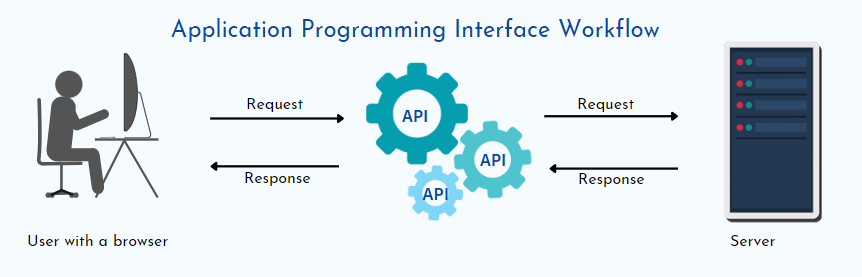
Application Programming Interface (API)

An API, or Application Programming Interface, is a set of rules and protocols that allows different software applications or systems to communicate and interact with each other. It defines the methods and data formats that applications can use to request and exchange information, enabling them to work together seamlessly. APIs are fundamental to modern software development and are used in various contexts, including web development, mobile app development, and integration between different software systems. Here’s an overview of APIs:

Key Characteristics of APIs:

  1. Abstraction: APIs provide an abstraction layer that hides the underlying complexity of software systems. Developers can interact with an API without needing to understand the internal workings of the system it connects to.
  2. Standardization: APIs are standardized to ensure consistency and compatibility between different software components. They define a clear set of rules and conventions for communication.
  3. Interoperability: APIs enable different software applications, regardless of their platforms or programming languages, to communicate and work together. This promotes interoperability and integration.
  4. Modularity: APIs promote modularity in software design. Developers can build complex systems by combining smaller, reusable components with well-defined APIs.

Types of APIs:

  1. Web APIs: These are APIs that use HTTP or HTTPS protocols to enable communication over the internet. Web APIs are commonly used for web services, allowing applications to access data or services hosted on remote servers. REST (Representational State Transfer) and SOAP (Simple Object Access Protocol) are common web API architectural styles.
  2. Library APIs: Library APIs provide a set of functions, procedures, or classes that developers can use within their own code. These APIs are often packaged in software libraries or frameworks, making it easier for developers to leverage existing functionality.
  3. Operating System APIs: Operating systems provide APIs that allow applications to interact with system resources and services. Examples include Windows API for Windows operating systems and POSIX API for Unix-like systems.
  4. Hardware APIs: These APIs provide access to hardware components such as graphics cards, printers, and sensors. Developers can use hardware APIs to control and utilize these devices in their software applications.

Common Use Cases for APIs:

  1. Data Integration: APIs are frequently used to connect different data sources and systems, allowing applications to retrieve, update, and synchronize data in real-time.
  2. Third-Party Services: Many applications leverage third-party APIs to access external services, such as payment processing, social media integration, mapping and geolocation, and more.
  3. Microservices: In microservices architectures, APIs play a crucial role in enabling communication between microservices, allowing them to function as independent and scalable units.
  4. Mobile App Development: Mobile apps often use APIs to access backend services, retrieve data, and provide features like location-based services, push notifications, and social media sharing.
  5. Web Development: APIs are used to create interactive and dynamic web applications by enabling client-side JavaScript code to communicate with server-side services and databases.
  6. IoT (Internet of Things): APIs enable IoT devices to communicate with each other and with cloud-based platforms for data collection, analysis, and control.

APIs are a fundamental building block of modern software development, enabling developers to create feature-rich, interconnected applications that can access a wide range of services and data sources. Effective API design and documentation are essential to ensure that developers can use APIs easily and securely.

NIST Framework

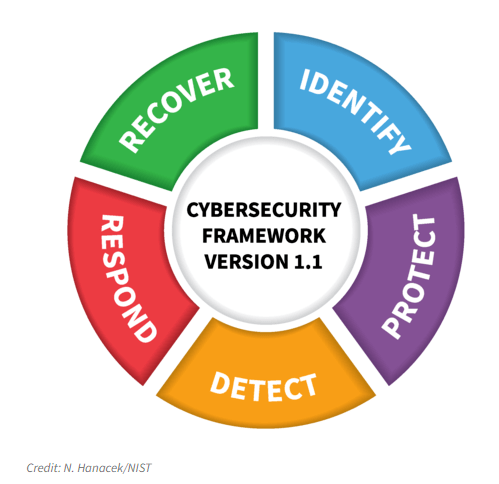
The National Institute of Standards and Technology (NIST) Cybersecurity Framework is a comprehensive set of guidelines, best practices, and standards designed to help organizations manage and improve their cybersecurity posture. NIST, part of the U.S. Department of Commerce, developed this framework to provide a structured approach to cybersecurity risk management. Here’s a detailed overview of the NIST Cybersecurity Framework:

1. Framework Core:

The NIST Cybersecurity Framework consists of three key components, with the “Framework Core” at its center. The Framework Core includes functions, categories, and subcategories that serve as the foundation for building and customizing an organization’s cybersecurity program:

  • Functions: There are five core functions, each representing a high-level cybersecurity activity. These functions are Identify, Protect, Detect, Respond, and Recover. They form the backbone of the framework and provide a structured way to think about cybersecurity activities.
  • Categories: Categories further break down the functions into more specific areas of focus. For example, within the “Protect” function, there are categories such as Access Control, Data Protection, and Awareness and Training.
  • Subcategories: Subcategories provide granular guidance on specific actions and controls that organizations can implement to address cybersecurity risks. For instance, a subcategory might specify the use of multi-factor authentication for access control.

2. Framework Implementation Tiers:

The NIST framework defines four implementation tiers that reflect an organization’s cybersecurity risk management practices:

  • Tier 1 – Partial: Organizations at this level have an ad-hoc approach to cybersecurity risk management, with limited awareness and minimal formal processes in place.
  • Tier 2 – Risk Informed: Organizations at this level have a basic understanding of their cybersecurity risks and have started to develop more formalized processes and policies.
  • Tier 3 – Repeatable: Organizations have a well-defined and repeatable approach to managing cybersecurity risks. They have policies and procedures in place, and they regularly review and update their cybersecurity practices.
  • Tier 4 – Adaptive: Organizations at this level have a dynamic and adaptive approach to cybersecurity risk management. They continuously monitor and adjust their practices based on changes in the threat landscape and their specific needs.

3. Framework Profiles:

A Framework Profile is a representation of an organization’s current and desired cybersecurity posture. It involves selecting and customizing the framework’s functions, categories, and subcategories to align with the organization’s specific goals, risk tolerance, and resource constraints. Organizations can create different profiles to address different aspects of their cybersecurity program.

4. Framework Implementation:

Implementing the NIST Cybersecurity Framework involves the following steps:

  • Prioritize and Scope: Identify critical assets, systems, and data that need protection and determine the scope of your cybersecurity program.
  • Create a Current Profile: Assess your current cybersecurity practices and create a profile that reflects your existing posture.
  • Set Target Profile(s): Define the desired cybersecurity posture(s) you want to achieve. These should align with your organization’s goals and risk tolerance.
  • Identify and Implement Improvements: Identify gaps between the current and target profiles and develop plans to address them. Implement security controls and best practices accordingly.
  • Monitor and Adjust: Continuously monitor your cybersecurity program, assess its effectiveness, and make adjustments as necessary to adapt to changing threats and vulnerabilities.

5. Framework Use Cases:

The NIST Cybersecurity Framework can be used in various ways, including:

  • Risk Management: It helps organizations identify, assess, and manage cybersecurity risks effectively.
  • Communication: It provides a common language for discussing cybersecurity practices and risks within an organization and with external stakeholders.
  • Compliance: It assists organizations in aligning with industry regulations and standards, such as HIPAA, GDPR, and others.
  • Continuous Improvement: It supports ongoing assessment and improvement of an organization’s cybersecurity posture.

The NIST Cybersecurity Framework is widely recognized and adopted by organizations around the world as a valuable tool for enhancing cybersecurity resilience and managing risks effectively. It provides a flexible and adaptable approach to cybersecurity, making it suitable for organizations of all sizes and industries.

OWASP Top 10

The latest list of OWASP top 10 is available at the following link https://owasp.org/Top10/

The OWASP (Open Web Application Security Project) Top Ten is highly important in the field of web application security for several reasons:

  1. Risk Prioritization: The OWASP Top Ten provides a concise list of the most critical web application security risks. This prioritization helps organizations focus their resources on addressing the most significant threats, reducing the chances of a successful attack.
  2. Awareness: It raises awareness about common web application vulnerabilities and attack vectors among developers, security professionals, and decision-makers. This awareness is essential for proactive risk mitigation.
  3. Educational Resource: The OWASP Top Ten serves as an educational resource. It offers detailed information about each security risk, including examples and recommended countermeasures. Developers and security practitioners can use it as a reference guide to understand and mitigate vulnerabilities.
  4. Baseline for Security Testing: Organizations often use the OWASP Top Ten as a baseline for security testing. It helps assess the security posture of web applications and identify vulnerabilities that need immediate attention.
  5. Compliance and Regulations: Many industry regulations and standards reference the OWASP Top Ten as a benchmark for web application security. Complying with these regulations often requires addressing the vulnerabilities listed in the OWASP Top Ten.
  6. Risk Mitigation: By addressing the vulnerabilities listed in the OWASP Top Ten, organizations can significantly reduce the risk of data breaches, financial losses, and reputational damage resulting from web application attacks.
  7. Continuous Improvement: The list is updated periodically to reflect emerging threats and changes in technology. This encourages organizations to stay current with evolving security challenges and continuously improve their security measures.
  8. Open Source and Community-Driven: OWASP is an open-source community-driven initiative. This means that the knowledge and resources provided by the OWASP Top Ten are freely accessible and constantly evolving with input from the global security community.
  9. Cross-Platform Applicability: The OWASP Top Ten is technology-agnostic and applicable to various web application development platforms and programming languages. It provides guidance that can be adapted to a wide range of web applications.
  10. Reduced Development Costs: By addressing security risks early in the development process, organizations can avoid costly security fixes and emergency responses after an application is in production. This leads to cost savings in the long run.

In summary, the OWASP Top Ten is a foundational resource for web application security. It helps organizations identify, prioritize, and mitigate the most critical security risks, ultimately enhancing the security posture of web applications and reducing the likelihood of successful cyberattacks.

Information Security – Frameworks

Photo by Pixabay on Pexels.com

Numerous cybersecurity frameworks and standards exist to help organizations establish, manage, and improve their cybersecurity programs. These frameworks provide guidelines, best practices, and structured approaches to addressing cybersecurity risks. Here are some of the most widely recognized and used cybersecurity frameworks:

  1. NIST Cybersecurity Framework (NIST CSF): Developed by the U.S. National Institute of Standards and Technology (NIST), this framework provides a comprehensive approach to managing cybersecurity risk. It consists of five core functions: Identify, Protect, Detect, Respond, and Recover. The NIST CSF is widely adopted and adaptable to various sectors.
  2. ISO/IEC 27001 and 27002: The ISO/IEC 27000 series provides a globally recognized framework for information security management systems (ISMS). ISO/IEC 27001 specifies the requirements for establishing, implementing, maintaining, and continually improving an ISMS, while ISO/IEC 27002 offers guidelines for implementing security controls.
  3. Center for Internet Security (CIS) Controls: Formerly known as the SANS Critical Security Controls, the CIS Controls are a set of prioritized, actionable best practices for securing an organization’s information systems. They focus on foundational security measures.
  4. Payment Card Industry Data Security Standard (PCI DSS): PCI DSS is a set of security standards designed to ensure the secure handling of credit card information. It applies to organizations that process payment card transactions.
  5. Cloud Security Alliance (CSA) Cloud Controls Matrix: This framework provides a set of security principles and best practices for securing cloud computing environments. It helps organizations evaluate and mitigate risks associated with cloud adoption.
  6. CIS Top 20 Critical Security Controls (CIS CSC): This is a prioritized list of security actions that organizations can take to improve their cybersecurity posture. It focuses on reducing the attack surface and increasing resilience against cyber threats.
  7. NIST Risk Management Framework (NIST RMF): Designed for federal agencies and contractors, NIST RMF provides a structured process for managing cybersecurity risk. It aligns with NIST’s broader cybersecurity framework.
  8. ITIL (Information Technology Infrastructure Library): ITIL is a set of practices for IT service management. While not specific to cybersecurity, it includes guidance on managing IT services securely and ensuring business continuity.
  9. FAIR (Factor Analysis of Information Risk): FAIR is a framework for understanding, analyzing, and quantifying information risk in financial terms. It helps organizations make informed decisions about risk management.
  10. Cobit (Control Objectives for Information and Related Technologies): Developed by ISACA, Cobit provides a framework for governing and managing enterprise IT processes. It includes security and risk management components.
  11. CERT Resilience Management Model (CERT-RMM): Created by Carnegie Mellon University’s Software Engineering Institute, CERT-RMM focuses on building organizational resilience by managing security and operational risks.
  12. ISA/IEC 62443: This series of standards provides cybersecurity guidelines for industrial automation and control systems (IACS) and is widely used in sectors like manufacturing and critical infrastructure.

These frameworks serve various purposes, from general cybersecurity risk management to industry-specific guidance. Organizations often select and adapt one or more of these frameworks based on their unique needs, compliance requirements, and the nature of their operations. Implementing a cybersecurity framework helps organizations identify and address vulnerabilities, establish best practices, and continuously improve their cybersecurity posture.