
Process to comply with AML/CTF

Photo by Tima Miroshnichenko on Pexels.com

Compliance with Anti-Money Laundering and Counter-Terrorism Financing (AML/CTF) regulations is crucial for organizations in the financial sector and other sectors at risk of money laundering and terrorism financing activities. General process that organizations should follow to comply with AML/CTF regulations include:

  1. Risk Assessment:
    • Identify and assess the money laundering and terrorism financing risks associated with business operations, customers, products, and geographic locations.
    • Consider factors such as the nature of your business, customer types, and the countries you operate in.
  2. AML/CTF Program Development:
    • Develop a written AML/CTF program that outlines organization’s policies, procedures, and controls to mitigate identified risks.
    • Designate a Compliance Officer responsible for overseeing the AML/CTF program.
  3. Customer Due Diligence (CDD):
    • Implement CDD procedures to verify the identities of customers, including individuals and entities.
    • Determine the risk level of each customer and apply appropriate due diligence measures based on that risk.
    • Monitor customer transactions for unusual or suspicious activities.
  4. Employee Due Diligence
    Conduct pre-employment background checks and screenings on prospective employees to verify their identities and check for any criminal or financial history that may indicate a risk.
    Establish clear hiring policies that include AML/CTF checks as part of the hiring process.
  5. Reporting and Recordkeeping:
    • Establish processes for maintaining records of customer identification, transactions, and due diligence efforts.
    • Develop procedures for reporting suspicious transactions to the relevant authorities, such as financial intelligence units.
  6. Employee Training and Awareness:
    • Provide AML/CTF training to employees to help them recognize and respond to potential money laundering or terrorism financing activities.
    • Foster a culture of compliance within the organization.
  7. Transaction Monitoring:
    • Implement systems and processes to monitor customer transactions for unusual patterns or large transactions that may indicate money laundering.
    • Automate transaction monitoring where possible to enhance efficiency and accuracy.
  8. Sanctions Screening:
    • Screen customers and transactions against government sanctions lists to prevent dealings with individuals or entities associated with terrorism or other illicit activities.
  9. Record Retention:
    • Maintain records for the period required by regulations, which may vary depending on the jurisdiction and the type of record.
  10. Reporting and Communication:
    • Establish procedures for communicating AML/CTF findings, reports, and concerns to relevant internal stakeholders, including senior management and the board of directors.
  11. Independent Audits and Reviews:
    • Conduct regular independent audits or reviews of AML/CTF program to assess its effectiveness and compliance with regulations.
    • Implement recommendations for improvement as necessary.
  12. Regulatory Compliance:
    • Keep up-to-date with changes in AML/CTF laws and regulations in your jurisdiction and any foreign jurisdictions where the entity operate.
    • Adjust your program as necessary to remain in compliance with evolving regulatory requirements.
  13. International Cooperation:
    • Collaborate with law enforcement agencies and other financial institutions, especially in cases involving cross-border transactions or investigations.
  14. AML/CTF Technology Solutions:
    • Consider implementing specialized AML/CTF software solutions that can assist with customer due diligence, transaction monitoring, and reporting.
  15. Penalties and Enforcement:
    • Understand the penalties for non-compliance with AML/CTF regulations, which can include fines, criminal charges, and reputational damage.
  16. Continuous Improvement:
    • Continually assess and refine your AML/CTF program to address emerging risks and adapt to changes in business operations or the regulatory landscape.

It’s important to note that AML/CTF regulations can vary significantly by jurisdiction, so organizations must tailor their compliance programs to the specific requirements of the regions in which they operate. Engaging legal and compliance experts who specialize in AML/CTF is often advisable to ensure comprehensive and effective compliance.


AML/CTF – An Overview

Photo by Pixabay on Pexels.com

AML (Anti-Money Laundering) and CTF (Counter-Terrorism Financing) are critical components of the global regulatory framework aimed at preventing financial crimes, particularly money laundering and the financing of terrorism. Both AML and CTF regulations are designed to ensure that financial institutions and other entities are vigilant in detecting and reporting suspicious activities that could facilitate illicit financial transactions. Here’s an overview of AML and CTF:

Anti-Money Laundering (AML):

  1. Objective: AML refers to a set of laws, regulations, and procedures aimed at preventing criminals from disguising the origins of illegally obtained money by making it appear as if it came from legitimate sources.
  2. Key Principles:
    • Customer Due Diligence (CDD): Financial institutions are required to identify and verify the identity of their customers and assess the risk they pose.
    • Suspicious Activity Reporting (SAR): Institutions must report any unusual or suspicious transactions to the appropriate authorities.
    • Recordkeeping: Maintain records of customer transactions and due diligence efforts.
    • Employee Training: Staff should be trained to recognize and report suspicious activities.
    • Regulatory Compliance: Compliance with AML laws and regulations is mandatory and subject to audits and examinations.
  3. Regulatory Framework: AML regulations and guidelines are established by government agencies and international organizations, including the Financial Action Task Force (FATF), which sets global AML standards.
  4. Entities Covered: AML regulations apply to a wide range of entities, including banks, credit unions, money services businesses, securities firms, casinos, and more.
  5. Penalties: Violations of AML regulations can result in severe penalties, including fines, loss of licenses, and criminal prosecution.

Counter-Terrorism Financing (CTF):

  1. Objective: CTF measures are aimed at preventing funds from being channeled to support terrorist activities. While related to AML, CTF specifically targets the financing of terrorism.
  2. Key Principles:
    • Customer Due Diligence: Similar to AML, CTF requires entities to perform due diligence to identify and assess the risk of financing terrorism.
    • Transaction Monitoring: Entities must monitor transactions and report any suspicious activities related to terrorism financing.
    • Sanctions Screening: Screening against government-sanctioned lists to identify and freeze assets of known terrorists or entities associated with terrorism.
    • Enhanced Due Diligence: For higher-risk customers or transactions, more extensive due diligence may be required.
  3. Regulatory Framework: CTF regulations are typically integrated with AML regulations and are often guided by international bodies like the FATF.
  4. Entities Covered: CTF regulations apply to many of the same entities as AML, including financial institutions, but also extend to other sectors where there may be a risk of terrorism financing.
  5. Penalties: Non-compliance with CTF regulations can result in legal consequences, including fines and sanctions.

How money laundering process works

Money laundering is a complex process that involves making illegally obtained funds (often referred to as “dirty money”) appear legitimate (or “clean”) by passing them through a series of transactions and financial activities. Money laundering is typically undertaken to obscure the illicit origin of funds and to make them usable without raising suspicion. Here’s an overview of how the money laundering process works:

  1. Placement: At this initial stage, the goal is to introduce the illicit funds into the legitimate financial system. Criminals use various methods to achieve this, such as:
    • Depositing cash in small amounts in different bank accounts to avoid suspicion.
    • Using the funds to purchase assets like real estate, luxury goods, or artwork.
    • Smuggling the money across borders.
  2. Layering: After successfully placing the illicit funds into the financial system, the money launderer engages in a series of complex transactions designed to confuse and obscure the trail of the money. Common layering techniques include:
    • Multiple transfers between accounts to make it difficult to trace the original source.
    • Converting cash into different forms, such as traveler’s checks or cryptocurrencies.
    • Mixing legitimate and illicit funds in various transactions.
  3. Integration: In this final stage, the laundered funds are integrated into the legitimate economy, making them appear to have originated from legal sources. This might involve:
    • Investing the funds in legitimate businesses or real estate.
    • Purchasing assets or investments that generate a legitimate income.
    • Paying taxes on the laundered funds, further obscuring their true origin.

Key Points to Understand:

  • Layering and Complexity: Money launderers often go to great lengths to make the money trail as complex as possible, involving multiple transactions, offshore accounts, and financial instruments to make detection difficult.
  • International Transactions: Money laundering often involves international transactions and offshore accounts, making it even harder to track and regulate.
  • Use of Front Companies: Criminals may establish front companies or shell corporations to further distance themselves from the illicit funds. These entities can engage in transactions that appear legitimate on the surface.
  • Cryptocurrencies: Digital currencies like Bitcoin have gained popularity among money launderers due to their pseudonymous nature. However, blockchain analysis tools have been developed to trace cryptocurrency transactions.
  • Anti-Money Laundering (AML) Measures: Governments and financial institutions implement AML regulations and procedures to detect and prevent money laundering. These measures include customer due diligence, suspicious activity reporting, and transaction monitoring.
  • Consequences: Money laundering is illegal and subject to severe penalties, including imprisonment and asset forfeiture. Additionally, it can have detrimental effects on economies, facilitating organized crime and corruption.
  • International Cooperation: Money laundering is often a transnational crime, so international cooperation among law enforcement agencies and financial institutions is essential to combat it effectively.

Money laundering is a persistent challenge for law enforcement and financial institutions worldwide. Preventing and detecting money laundering requires a combination of legal frameworks, technological tools, and vigilance by financial institutions and individuals.

AML and CTF in Practice:

  • Financial institutions play a central role in AML and CTF efforts. They are required to establish AML/CTF programs, conduct ongoing monitoring, and report suspicious activities to authorities.
  • Regulators and government agencies oversee compliance and conduct investigations into potential violations.
  • International cooperation is crucial, as money laundering and terrorism financing are often transnational activities. Countries work together to share information and combat these threats.
  • Technology, such as advanced data analytics and artificial intelligence, is increasingly used to enhance AML and CTF efforts by detecting patterns and anomalies indicative of illicit activities.

The objectives of AML and CTF are to maintain the integrity of the financial system, protect it from being exploited by criminals and terrorists, and contribute to global security efforts. Organizations subject to these regulations must implement robust compliance programs and stay informed about evolving threats and regulatory changes.

Information Security – Frameworks

Photo by Pixabay on Pexels.com

Numerous cybersecurity frameworks and standards exist to help organizations establish, manage, and improve their cybersecurity programs. These frameworks provide guidelines, best practices, and structured approaches to addressing cybersecurity risks. Here are some of the most widely recognized and used cybersecurity frameworks:

  1. NIST Cybersecurity Framework (NIST CSF): Developed by the U.S. National Institute of Standards and Technology (NIST), this framework provides a comprehensive approach to managing cybersecurity risk. It consists of five core functions: Identify, Protect, Detect, Respond, and Recover. The NIST CSF is widely adopted and adaptable to various sectors.
  2. ISO/IEC 27001 and 27002: The ISO/IEC 27000 series provides a globally recognized framework for information security management systems (ISMS). ISO/IEC 27001 specifies the requirements for establishing, implementing, maintaining, and continually improving an ISMS, while ISO/IEC 27002 offers guidelines for implementing security controls.
  3. Center for Internet Security (CIS) Controls: Formerly known as the SANS Critical Security Controls, the CIS Controls are a set of prioritized, actionable best practices for securing an organization’s information systems. They focus on foundational security measures.
  4. Payment Card Industry Data Security Standard (PCI DSS): PCI DSS is a set of security standards designed to ensure the secure handling of credit card information. It applies to organizations that process payment card transactions.
  5. Cloud Security Alliance (CSA) Cloud Controls Matrix: This framework provides a set of security principles and best practices for securing cloud computing environments. It helps organizations evaluate and mitigate risks associated with cloud adoption.
  6. CIS Top 20 Critical Security Controls (CIS CSC): This is a prioritized list of security actions that organizations can take to improve their cybersecurity posture. It focuses on reducing the attack surface and increasing resilience against cyber threats.
  7. NIST Risk Management Framework (NIST RMF): Designed for federal agencies and contractors, NIST RMF provides a structured process for managing cybersecurity risk. It aligns with NIST’s broader cybersecurity framework.
  8. ITIL (Information Technology Infrastructure Library): ITIL is a set of practices for IT service management. While not specific to cybersecurity, it includes guidance on managing IT services securely and ensuring business continuity.
  9. FAIR (Factor Analysis of Information Risk): FAIR is a framework for understanding, analyzing, and quantifying information risk in financial terms. It helps organizations make informed decisions about risk management.
  10. Cobit (Control Objectives for Information and Related Technologies): Developed by ISACA, Cobit provides a framework for governing and managing enterprise IT processes. It includes security and risk management components.
  11. CERT Resilience Management Model (CERT-RMM): Created by Carnegie Mellon University’s Software Engineering Institute, CERT-RMM focuses on building organizational resilience by managing security and operational risks.
  12. ISA/IEC 62443: This series of standards provides cybersecurity guidelines for industrial automation and control systems (IACS) and is widely used in sectors like manufacturing and critical infrastructure.

These frameworks serve various purposes, from general cybersecurity risk management to industry-specific guidance. Organizations often select and adapt one or more of these frameworks based on their unique needs, compliance requirements, and the nature of their operations. Implementing a cybersecurity framework helps organizations identify and address vulnerabilities, establish best practices, and continuously improve their cybersecurity posture.

How does a Credit Card work?

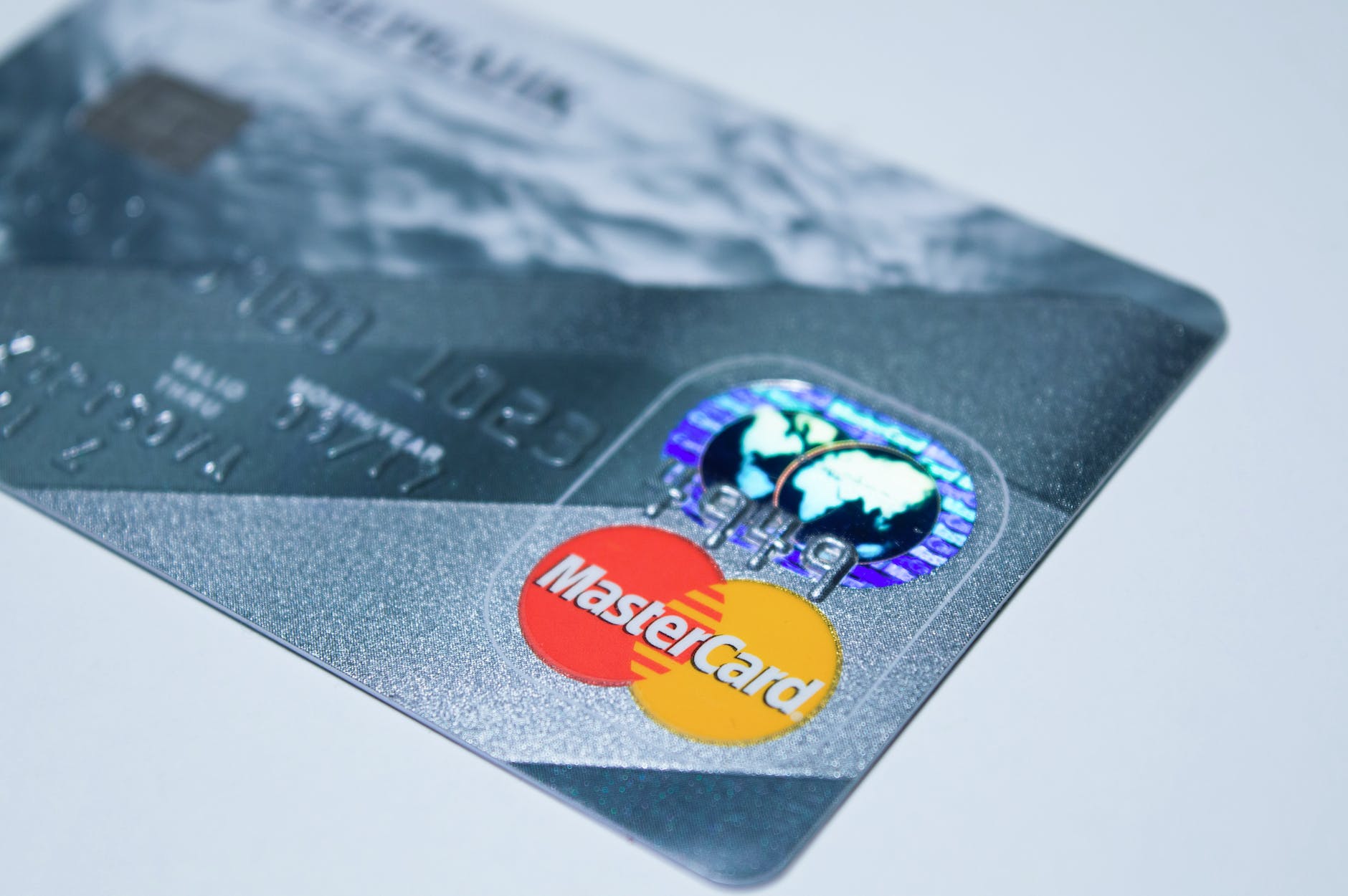
Photo by Pixabay on Pexels.com

A credit card is a payment card issued by a financial institution, such as a bank, that allows the cardholder to borrow funds up to a certain limit in order to make purchases or withdraw cash. When the cardholder makes a purchase, the amount is deducted from their available credit limit. The cardholder is then required to make a minimum monthly payment, which is typically a percentage of the total balance, along with any interest and fees. If the cardholder does not pay the balance in full by the due date, interest is charged on the remaining balance.

When a credit card is used to make a purchase, the transaction information is sent to the card issuer (the bank or financial institution that issued the credit card) for authorization. This information includes the cardholder’s account number, the merchant’s identification number, and the purchase amount.

The card issuer then checks to see if the cardholder’s account is in good standing and if the requested purchase amount is within the cardholder’s credit limit. If the account is in good standing and the credit limit has not been exceeded, the card issuer sends an approval code to the merchant, allowing the transaction to be completed.

The approval code is sent via the payment network (such as Visa or Mastercard) to the merchant’s acquiring bank, which then sends the request to the card issuer for final approval. Once the card issuer approves the transaction, the acquiring bank sends a message to the merchant to proceed with the sale. The merchant will then charge the amount of the purchase to the cardholder’s account.

The technical process behind this is known as Electronic Funds Transfer (EFT) and it works through a secure network that connects the merchants and the card issuers. The process uses advanced encryption and authentication protocols to ensure the security of the transaction.

What are the various parties involved in a credit card transaction

There are several parties involved in a credit card transaction:

  1. Cardholder: The person who owns the credit card and uses it to make purchases or withdraw cash.
  2. Merchant: The business or organization that accepts the credit card as a form of payment for goods or services.
  3. Card issuer: The financial institution, such as a bank, that issued the credit card to the cardholder. The card issuer is responsible for approving or declining transactions and issuing credit to the cardholder.
  4. Payment network: The system or network that facilitates the communication and transfer of information between the merchant, card issuer, and cardholder. Examples of payment networks include Visa, Mastercard, American Express, etc.
  5. Acquiring bank: The bank or financial institution that handles the merchant’s credit card transactions. It is responsible for routing the transaction information to the card issuer for approval and transferring funds from the card issuer to the merchant.
  6. Independent Sales Organizations (ISOs) and Merchant Service Provider (MSP) : ISOs and MSPs acts as intermediaries between merchants and financial institutions, providing the necessary equipment and services for merchants to accept card payments.
  7. Payment Gateway: A payment gateway is a software that acts as a bridge between merchants and the payment processors, enabling merchants to accept credit card payments online.

All these parties play a role in a credit card transaction and work together to ensure that the purchase is completed securely and efficiently.

What are the various platforms involved in a credit card transactions?

There are several platforms involved in a credit card transaction:

  1. Point of Sale (POS) Terminal: A POS terminal is a device that merchants use to process credit card transactions. It can be a physical terminal or a virtual terminal that allows merchants to process transactions online.
  2. Payment Processor: A payment processor is a company that handles the electronic transfer of funds between a merchant and a card issuer. It acts as the intermediary between the merchant and the payment network, ensuring that transactions are secure and compliant.
  3. Payment Gateway: A payment gateway is a platform that facilitates the communication and transfer of information between the merchant, payment processor, and card issuer. It encrypts and processes the transaction data, ensuring the security and compliance of the transaction.
  4. Fraud Detection and Prevention Systems: These are systems and platforms that are used to detect and prevent fraudulent activities on credit card transactions. They use various methods such as machine learning, artificial intelligence, and other analytical tools to identify and flag suspicious transactions.
  5. Settlement Systems: Settlement systems are platforms used to facilitate the transfer of funds between the merchant and the card issuer, and reconcile the transactions.
  6. Virtual Terminal: A virtual terminal is a web-based platform that allows merchants to process credit card transactions online. This platform can be used by merchants that don’t have a physical store or by businesses that process transactions from remote locations.

All these platforms work together to ensure that credit card transactions are processed quickly and securely, and that the funds are transferred to the merchant in a timely manner.

How does a debit card work?

Photo by Pixabay on Pexels.com

A debit card is a payment card that allows users to access funds in a checking or savings account in order to make purchases or withdraw cash. Debit cards are linked directly to a bank account, and when a purchase is made, the funds are transferred from the account to the merchant. The money is deducted from the account balance in real-time.

When a debit card is used to make a purchase, the cardholder must enter a personal identification number (PIN) to verify their identity. Some debit cards also have a magnetic strip or a chip that contains the cardholder’s account information, which is read by a card reader at the point of sale.

When a debit card is used for an online purchase, the cardholder must provide the card number, expiration date, and security code.

Debit cards are an alternative to cash and check payments. They are also an alternative to credit cards, as debit card transactions are deducted from the account balance in real-time, and the cardholder can only spend what they have available in their account. This can help to prevent overspending and build a good credit score.

Debit cards are commonly used for everyday purchases such as groceries, gas, and online purchases and also for withdrawing cash from an ATM

How does the process works

When a debit card is used to make a purchase at a physical point of sale, the card is inserted into a card reader, or the card’s magnetic strip or chip is read by the reader. The card reader then sends a request for authorization to the card issuer through the card network (such as Visa, Mastercard, etc.) The card issuer, in turn, verifies the cardholder’s account information and available balance, and sends an approval or decline message back to the point of sale. Once the transaction is approved, the funds are transferred from the cardholder’s account to the merchant’s account.

For online transactions, the cardholder provides the card details, including the card number, expiration date, and security code, to the merchant. The merchant then sends a request for authorization to the card issuer through the card network. The card issuer verifies the cardholder’s account information and available balance, and sends an approval or decline message back to the merchant. Once the transaction is approved, the funds are transferred from the cardholder’s account to the merchant’s account.

In summary, the debit card works by electronically linking a bank account to the card, and upon a purchase or withdraw, the funds are transferred from the account to the merchant or ATM, respectively, in real-time. Additionally, the transactions are also authenticated by a PIN for added security.

A debit card is a payment card that allows users to access funds in a checking or savings account in order to make purchases or withdraw cash.

Describe the intermediaries involved in debit card processing ?

Debit card processing involves several intermediaries, including:

  1. Issuing Bank: The financial institution that issues the debit card to the customer.
  2. Payment Processor: A company that handles the electronic transaction between the customer, the merchant, and the acquiring bank.
  3. Acquiring Bank: The financial institution that provides the merchant with the ability to accept debit card payments
  4. Card Associations (e.g. Visa, Mastercard): Organizations that oversee the debit card network, set standards, and facilitate transactions between issuing and acquiring banks
  5. Switch: A network that routes the transaction information to the appropriate card association and then to the issuing bank for authorization.
  6. Interchange: The fee paid by the acquiring bank to the issuing bank for each transaction processed.
  7. Point of Sale (POS) System: The device or software used by merchants to process debit card transactions.

These intermediaries work together to process and complete a debit card transaction, from the moment the customer swipes or dips their card at the point-of-sale terminal to the final settlement of funds between the issuing and acquiring banks.

What are the salient features of Debit Card?

A debit card is a payment card that deducts money directly from a consumer’s checking account to pay for a purchase. Some of the main features of a debit card are:

  • Direct access to funds: Debit cards provide instant access to the funds in your checking account.
  • No credit check: You don’t need to go through a credit check to obtain a debit card, unlike a credit card.
  • PIN-based transactions: Debit cards are typically linked to a personal identification number (PIN), which is used to secure transactions.
  • ATM access: Debit cards can be used to withdraw cash at ATMs, deposit money, and check account balances.
  • Acceptance: Debit cards are widely accepted by merchants for purchases and online transactions.
  • Overdraft protection: Some debit cards come with overdraft protection, which helps prevent accidental overdrafts of your checking account.
  • Fees: Some banks may charge fees for using debit cards, such as annual fees, foreign transaction fees, or overdraft fees.
  • Fraud protection: Debit cards come with fraud protection, which helps protect you from unauthorized transactions.

What is SWIFT?

What is SWIFT?

SWIFT stands for the Society for Worldwide Interbank Financial Telecommunication. It is a global financial messaging network that enables the secure exchange of electronic messages and financial transactions between financial institutions. These messages and transactions include things like international money transfers, securities transactions, and automated clearinghouse transactions. The system is used by over 11,000 financial institutions in over 200 countries and territories. SWIFT does not handle the actual funds being transferred, but instead sends payment order messages between banks, which then settle the transaction using their own systems.

How does the SWIFT infrastructure work?

The SWIFT infrastructure is made up of a network of correspondent banks that are connected to the SWIFT system. Each bank has its own unique Bank Identifier Code (BIC) that is used to identify it on the SWIFT network. When a bank wants to send a message or initiate a financial transaction, it sends the message to its correspondent bank, which then forwards the message to the appropriate recipient bank using the BIC.

The SWIFT network uses a standardized messaging format for all of its financial transactions and messages, which ensures that all of the participating banks are able to understand and process the information contained in the messages. This messaging format is called the SWIFT message format.

All the communication across the network is encrypted and authenticated to ensure the security of the financial transactions and messages being exchanged.

The SWIFT network is overseen by the SWIFT Operations Center, which is responsible for the day-to-day operation and maintenance of the SWIFT infrastructure, and the SWIFT Policy and Standards division, which sets the policies and standards that govern the use of the SWIFT network.

When was SWIFT created?

The Society for Worldwide Interbank Financial Telecommunication (SWIFT) was established in 1973, with the goal of creating a secure and standardized system for financial institutions to exchange electronic messages and financial transactions. At the time, most financial transactions were still done via telex and other manual methods, which were slow and prone to errors.

In the 1970s, SWIFT began working with a group of international banks to develop a system for electronic messaging that could be used for financial transactions. The first SWIFT messages were sent in 1977, and by the early 1980s, the network had grown to include more than 250 banks in 25 countries.

In the following years, SWIFT continued to expand its network, adding new services and functionality to meet the evolving needs of its customers. In the 1990s, SWIFT introduced the SWIFTNet messaging platform and the SWIFT Alliance Access, which provided a secure gateway to the SWIFT network for financial institutions.

In the early 2000s, SWIFT introduced a number of new services, including the SWIFTNet FileAct and SWIFTNet Browse, which were designed to improve the efficiency and security of file transfer and message browsing on the SWIFT network.

In recent years, SWIFT has been investing in new technologies and services, such as SWIFTNet Link and SWIFTNet Secure IP Network (SIPN), to support the growing demand for secure and reliable financial messaging and transactions. Today, SWIFT is used by more than 11,000 financial institutions in over 200 countries and territories, and continues to be a key player in the global financial system.

Who runs SWIFT?

SWIFT is a cooperative society owned and governed by its member financial institutions. It is headquartered in Belgium and is controlled by G10 central banks as well as ECB. The organization has also several other offices around the world, such as Singapore, Hong Kong, Sydney, New York and London, to better serve its member banks in different regions, and to be closer to the regulatory authorities in those regions. The organization is run by a Board of Directors, which is elected by the membership. The Board of Directors sets the overall strategic direction for SWIFT and is responsible for the overall management of the organization.

The day-to-day operations of SWIFT are managed by the Chief Executive Officer (CEO), who is appointed by the Board of Directors. The CEO is responsible for the implementation of the strategic plan and for managing the various departments within SWIFT, including the SWIFT Operations Center, which is responsible for the day-to-day operation and maintenance of the SWIFT infrastructure.

In addition to the Board of Directors and the CEO, SWIFT has a number of other governing bodies, such as the SWIFT Policy and Standards division, which sets the policies and standards that govern the use of the SWIFT network, and the SWIFT User Group, which represents the interests of SWIFT users.

What systems does SWIFT use to process financial messages?

SWIFT uses a number of different systems to process messages on its network. These include:

SWIFTNet: This is the messaging platform used by SWIFT to exchange financial messages and transactions between financial institutions. It uses a standardized messaging format, called the SWIFT message format, to ensure that all of the participating banks are able to understand and process the information contained in the messages.

SWIFT Alliance Access: This is a secure gateway to the SWIFT network, which enables financial institutions to connect to the SWIFTNet messaging platform and exchange messages and transactions with other institutions.

SWIFTNet FileAct and SWIFTNet Browse: These are used for file transfer and browsing of messages respectively. FileAct enables the transfer of large files, such as payment files, between financial institutions, while Browse allows institutions to view and manage their messages on the SWIFT network.

SWIFTNet Link: This is a software solution that enables financial institutions to connect to the SWIFT network via the internet, rather than through traditional leased lines.

SWIFTNet Secure IP Network (SIPN): This is a dedicated, secure, and highly available network infrastructure that connects financial institutions to the SWIFT network.

All these system are overseen by the SWIFT Operations Center, which is responsible for the day-to-day operation and maintenance of the SWIFT infrastructure.

All the communication across the network is encrypted and authenticated to ensure the security of the financial transactions and messages being exchanged.

Payments – An Introduction

  • Payment refers to providing a consideration in exchange for a good or service of value.
  • The history of payments goes back to early civilizations, where different forms of currency and bartering were used to exchange goods and services. In early civilizations, people used items such as cattle, grains, and precious metals as forms of currency. Later, coins and paper money were introduced as a more standardized form of currency.
  • In ancient Mesopotamia, clay tablets were used to record transactions, which is considered as the earliest form of writing. In ancient Egypt and China, metal coins were used as a form of currency. The use of coins and paper money spread throughout the world over time.
  • During the Middle Ages, the barter system and the use of precious metals such as gold and silver were popular. In the Renaissance period, the use of bank notes and checks began to gain popularity. In the 19th century, credit and debit cards, electronic funds transfers, and online payments emerged.
  • In recent years, digital currencies and mobile payments have become increasingly popular. The advent of blockchain technology has also led to the development of new forms of digital currency, such as Bitcoin
  • The following infographics gives a very creative view of the origin and evolution of payments – https://www.visualcapitalist.com/the-history-of-money-explained-infographic/ (Side note: For those interested visualcapitalist.com as wealth of infographics catering to a wide variety of topics. Very informative. Do check it out)
  • In the current world, money backed by central banks has become the most common medium of consideration. The Economist highlights three main qualities of money, “as a medium of exchange, buyers can give it to sellers to pay for goods and services; as a unit of account, it can be used to add up apples and oranges in some common value; as a store of value, it can be used to transfer purchasing power into the future.

Here are some important dates in the evolution of payments

  • 2500 BC: Metal coins are first recorded in use in ancient Mesopotamia and ancient Egypt.
  • 1200 : The use of paper money begins in China.
  • 1400: Banks are established in Europe and begin to issue bank notes.
  • 1600s: Bank notes and checks begin to gain popularity in Europe.
  • 1775 : The first credit card is invented by a man named Edward Bellamy.
  • 1875: The first patent for a “cash register” is granted to James Ritty, an American inventor.
  • 1950: The first credit card, called the “Diner’s Club Card,” is introduced in the United States.
  • 1967: The first automated teller machine (ATM) is installed in London.
  • 1971: The first electronic funds transfer (EFT) system is introduced in the United States.
  • 1990: The first online shopping transaction takes place over the Internet.
  • 2008: The creation of Bitcoin, the first decentralized digital currency, is announced by the pseudonymous person or group “Satoshi Nakamoto.”
  • 2011: The first mobile payment is made using a smartphone.
  • 2015: The European Union launches the “Single Euro Payments Area” (SEPA) to facilitate cross-border electronic payments within the EU.
  • 2020: The usage of contactless payments, mobile payments, and digital wallets increases due to the COVID-19 pandemic.