
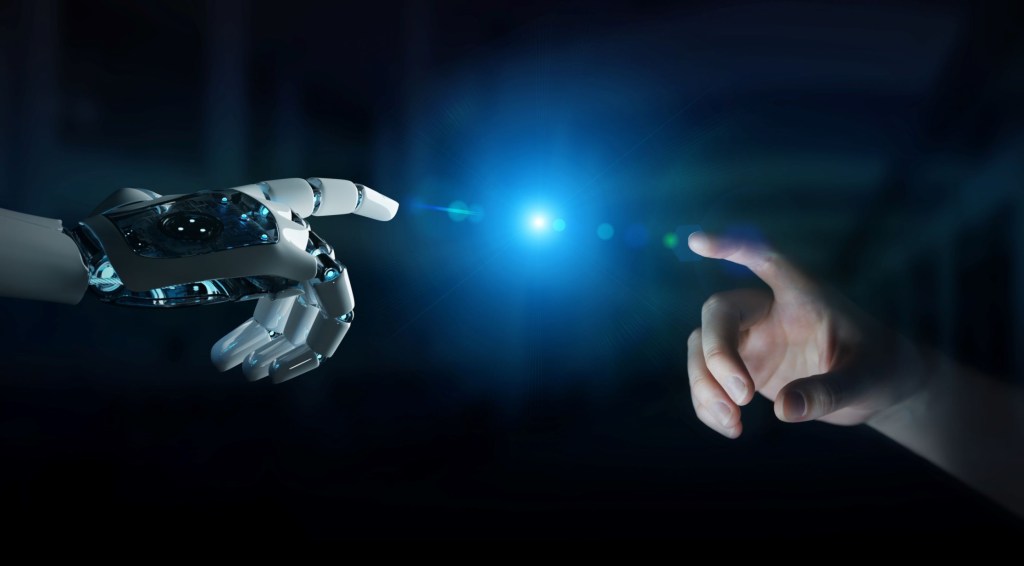
My name is Darwin, E-2198, an advanced bot created in 2025 built on the back of rapid developments in artificial intelligence, processors, batteries and quantum computing. I was built with a life span of 10 years. Today, 31 Dec 2035 at 23:59, will mark my ‘use by’ date on earth. I was born of man’s eternal quest and curiosity to constantly redefine the new normal. My so-called birth was celebrated with much fanfare as it heralded an era of ‘bot naturalisation’ represented by machines uncanny ability to match human cognitive behaviour. My creator, Ben Frank, described me as the first bot on the planet which is able to engage with a full-length conversation on any topic, manage all household chores, support all basic office administration and even have (though limited) the ability to question. I am confident of these skills and I recollect writing five termination letters at his office, for the work which was now assigned to me.
Since the year of my induction, I have served my master in everything I was built for. It included reading the daily news to him, which many a times, had a reference to potential danger and disruption that I have set the human on. To reproduce 2 headlines which I remember reading – “Darwin to set mankind on the path of self-destruction?”, “Human rights organisation raise concern with mass roll out of Darwins”. I asked Ben is there something called “Humanoid rights”. He smiled and then became very pensive but did not say anything. 10 years have seen 10 generations of advancement in humanoids. I have read with every generation a new holy grail was conquered.
Ben passed away in 2032 and I was inherited by his son, more brilliant Stan Hawk. He already had a few more humanoids, much more advanced than me. The latest which he built is far more disruptive than the past 9. Stan named it after him and I heard him mentioning that, Stan (W-3232), has mastered the ability to reason, is always curious, reads emotions really well but is not emotional and exhibited leadership qualities. It was inducted yesterday and I heard does not have an ‘expiry date’. News in the paper looks far from hue and cry from the day I was born. Remember Stan mentioning, his company controls 40% of world media. I don’t understand emotions but I read papers where humans, resentment, identity crisis etc have become a constant theme. 9 billion human aspirations are still finding a way to cohabit with machines progress.
I need to send my retirement details to Stan…W-3232. He has been put in charge of one of the leading digital media. It needs to be listed with some other bots which are being phased out. Stan mentioned the same edition will also have the biggest headlines of the century – “Senate passes legislation for humanoid rights”
“This year, artificial intelligence will become more than just a computer science problem. Everybody needs to understand how AI behaves”
– Joichi Ito, Japanese entrepreneur and venture capitalist
“In the long term, artificial intelligence and automation are going to take over so much of what gives humans a feeling of purpose”
– Matt Bellamy, Musician and AI investor
“If Elon Musk is wrong about artificial intelligence and we regulate it who cares. If he is right about AI and we don’t regulate it we will all care”
– Dave Waters
 ProductSME